When done correctly, dental veneers are perhaps the most transformative cosmetic dentistry treatment, blending seamlessly with your natural features. But what happens when that investment doesn’t exactly pan out the way you’d hoped?
Many patients walk out of high-end cosmetic dental practices feeling deeply frustrated when their veneers appear bulky, “chiclet-like,” or unnaturally white.
Or perhaps that once-perfect smile has begun to show its age through dark lines at the gum corridor or chips in the porcelain.
In both scenarios, the good news is that cosmetic dentistry is not a one-way street. With modern advances in materials and digital design, an elite veneer dentist can fix old or poorly placed veneers while providing results that look more natural and feel more comfortable than the original ever did. Here’s what you need to know:
Common Problems With Older or Poorly Done Veneers
The most frequent complaint regarding subpar veneers is a heavy look. Poorly designed veneers often lack the translucency of natural teeth, resulting in a flat, opaque appearance that is often described as too white.
These veneers often lack the subtle contours and mamelons, i.e., the natural ridges, found in real enamel, making them stand out as obviously artificial.
Beyond aesthetics, functional issues are common. Bulky veneers can cause speech impediments or a feeling that the teeth are too big for the mouth.
Patients may also notice dark edges near the gums; this is often caused by older porcelain-fused-to-metal (PFM) technology or by a slight recession of the gum tissue that reveals the transition between the veneer and the natural tooth root.
Furthermore, if the bite (occlusion) wasn’t perfectly calibrated during the initial placement, patients may experience chipping, cracking, or even chronic jaw discomfort.
Gum irritation is another red flag, often indicating that the veneers were placed too deep beneath the gum line or are catching plaque.
Why Veneers Change Over Time
Although high-quality porcelain is incredibly durable, it is not invincible. Over the span of about a decade or two, dental materials can age. Older bonding agents can begin to degrade or stain at the margins.
Additionally, the human body is dynamic. As we age, our gum tissue naturally shifts and recedes. This movement can expose the veneer’s edge, creating a visible line that traps coffee or tea stains.
Wear and tear also play a significant role. The natural forces of chewing or the more destructive forces of nighttime teeth grinding can wear down the edges of older ceramics.
Perhaps most importantly, the field of cosmetic dentistry has moved at a lightning pace in recent years. The techniques, ceramics, and digital tools used 15 years ago are vastly different from what is available today.
Also Read: Veneer Versatility: Beyond Aesthetics in Cosmetic Dentistry
How Old Veneers Are Corrected
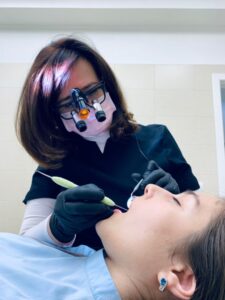
The process of correction is a meticulous art that starts with the safe removal of the existing veneers. Modern veneer dentists use specialized tools, such as dental lasers or high-precision handpieces, to gently remove or buff away old porcelain while preserving as much of the healthy tooth structure as possible.
Once the teeth are prepared, the dentist assesses whether the underlying teeth need strengthening or re-prepping to achieve a better fit. This is the stage where the redesign happens:
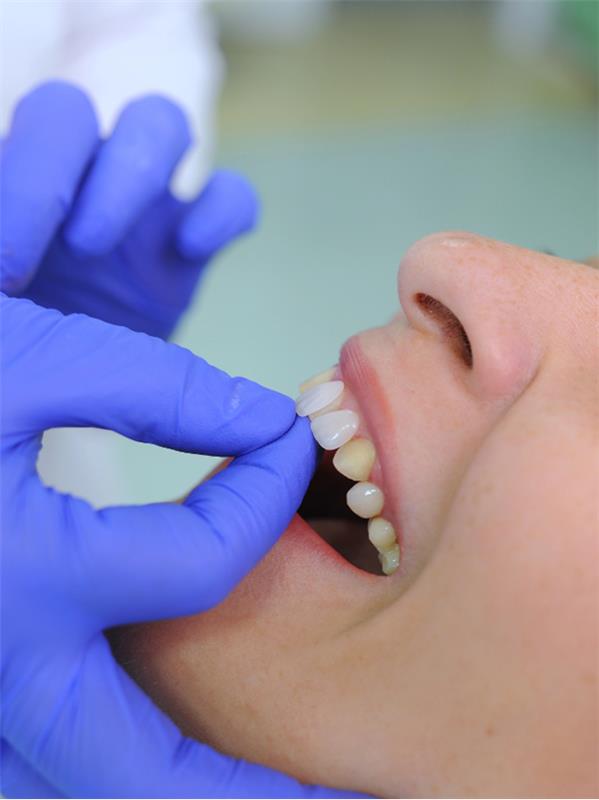
Using digital smile design (DSD), the dentist plans the new shape, length, and shade. While your veneers are being made, you’ll receive temporary ones as a test drive of the new design. Patients wear these temporaries to ensure the bite feels right and the look is exactly what they want before the final porcelain set is crafted.
What Makes Today’s Veneers Different
If you are replacing veneers from a decade ago, you will be amazed at the technological leap. Today’s ceramics, like E-max or high-translucency Zirconia, are much thinner yet incredibly strong. This allows for a more conservative preparation, so far less of your natural tooth gets removed.
These modern materials mimic the light-reflecting properties of natural enamel by allowing light to pass through the edge of the tooth (incisal translucency) versus bouncing off a flat, white surface.
Improved bonding techniques also yield a tighter seal at the margins, preventing the dark lines and leakage that plagued earlier generations of cosmetic dentistry. The final look is a smile that seems to have grown there, rather than one that was attached.
When Is Replacement the Best Option?
- Sometimes, a repair isn’t enough; if there is structural damage, such as a cavity beneath the veneer, replacement is a medical necessity to save the tooth.
- Chronic gum irritation is another sign that the current fit is biologically incompatible and needs to be redesigned.
- If you find yourself hiding your smile because your veneers look outdated or fake, replacement is often the best path for your mental well-being and confidence.
- If the aesthetics no longer match your personal style (for example, if you want a more natural look rather than a Hollywood bleach look), modernization can help achieve that balance.
What Patients Can Expect From a Redesign
When working with an elite specialist like Dr. Salekian at West Hills Smiles, the process is highly collaborative. You are part of the design team! Through digital previews and physical mock-ups, you can see the end result before the first tooth is even touched. There’s no surprise factor that can sneak up on you.
A transformative smile makeover should almost always be gradual and highly intentional throughout. This helps experts build a personalized smile that accounts for the way you talk, laugh, and move your face. The vision is a more bespoke smile, one that is unique to your face and impossible to distinguish from a perfect set of natural teeth.
Also Read: Get a Dazzling Smile with Cosmetic Dentistry
Who Is a Good Candidate?
Anyone who feels that their current dental work is a compromise is a candidate for a consultation. This includes:
- Patients with veneers that are too thick, long, or bulky.
- Individuals notice gray or black lines near the gum line.
- Those with chips, cracks, or worn edges on their current porcelain.
- Anyone who feels their veneers are too white or flat and wants a more sophisticated, nuanced look.
Book an Appointment Today with the Best Veneers Dentist in West Hills!
Cosmetic dentistry is a field where artistry and science meet. If your current veneers are causing discomfort or embarrassment, remember that you do not have to settle for outdated results. Correcting old work is a specialty in its own right, and in the hands of the right dentist, it is often a more straightforward and rewarding process than patients expect.
A world-class smile is within reach! Dr. Salekian and the West Hills Smiles team understand the nuances of modern dental ceramics and the importance of facial harmony. Book an appointment today.