

Restoring Smiles with Care, Comfort, and Expertise with West Hills Smiles
At West Hills Smiles, our Endodontics (Root Canal Therapy) service is designed to relieve tooth pain, save your natural teeth, and restore your oral health—quickly and comfortably. Using advanced technology and gentle techniques, we make the process as stress-free as possible so you can smile again without discomfort.
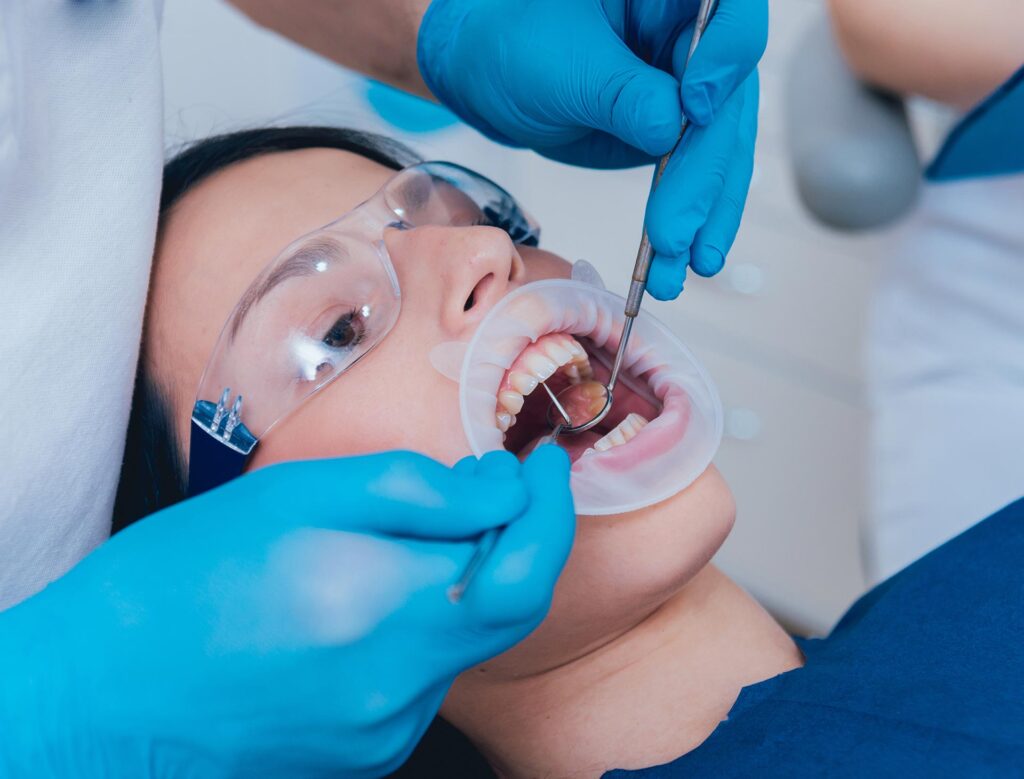
A root canal is a procedure that removes infected or damaged pulp—the soft tissue inside your tooth containing nerves and blood vessels. Once a tooth is fully developed, this pulp is no longer essential, so it can be safely removed if it becomes infected. Root canal treatment relieves pain, restores function, and helps prevent extraction. If left untreated, infection can worsen and lead to tooth loss.
At West Hills Smiles, we understand how stressful tooth pain can be. Our dentist for root canal therapy provides gentle, effective treatment to stop infection, ease discomfort, and save your natural tooth. Our goal is to make the process as comfortable as possible, so you can leave our office pain-free and confident in your smile.
Knowing the signs you may need a root canal can help you get timely care and prevent further damage. Common symptoms include:
If you experience any of these symptoms, it’s important to schedule a consultation with a root canal in West Hills dentist to prevent complications.
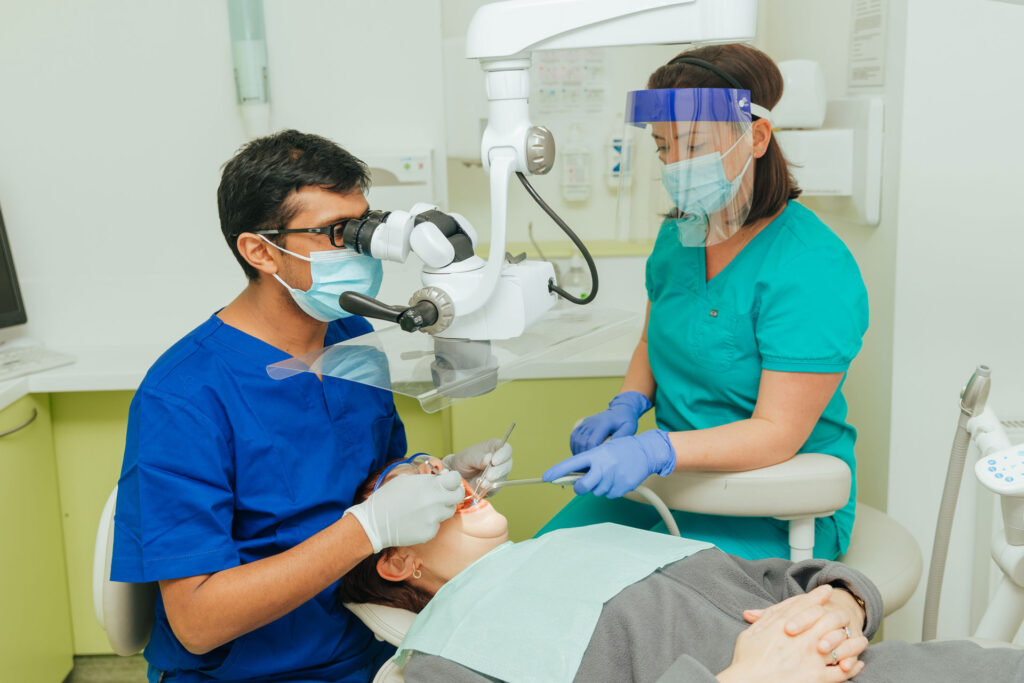
Your comfort is our top priority, and we’ll guide you through each step of the process so you know exactly what to expect. A root canal at West Hills Smiles is usually done in two visits.
At your first visit:
At your second visit (about a week later):
Once we’re done, you should feel relief from pain and sensitivity. Our goal is simple—help you keep your natural tooth and leave with a healthy, confident smile.
Locating a qualified endodontist (a dentist specializing in root canal therapy) or a general dentist experienced in root canals is crucial for effective treatment. Many dental practices offer root canal services, and an online search for “root canal dentist near me or root canal in Woodland Hills” can help you find reputable providers. Additionally, many endodontists work in close collaboration with general dentists to provide specialized care.
Root canal treatment is a valuable procedure that can save a natural tooth, relieving pain and restoring oral health. By understanding what to expect from root canal treatment, the costs involved, and the importance of aftercare, you can feel more confident about this common dental procedure.
A root canal treatment, also known as root canal therapy or endodontics, will aim to stop the infection or issues that are affecting the roots. This is done by removing the pulp in the roots of the tooth, cleaning the area, and filling it. This can stop the process of the tooth dying, and when paired with a natural-looking crown, many people will not notice the difference.
Early detection of a root canal issue is crucial to enable us to save the tooth. If you are experiencing any symptoms mentioned above, call our West Hills, CA dental office near Woodland Hills, CA to set up an appointment with our root canal dentist so we can help identify what the issue is and treat it.
A root canal is a dental procedure that removes infected or damaged pulp from inside a tooth. It’s necessary when decay or injury reaches the pulp, causing pain or infection. Root canals help save the natural tooth, preventing further decay or the need for extraction.
With advances in anesthesia and dental technology, root canals are typically no more painful than a standard filling. Most patients report relief from pain once the infected pulp is removed. Any discomfort afterward is usually mild and manageable with over-the-counter pain relievers.
Symptoms indicating the need for a root canal include persistent tooth pain, sensitivity to hot or cold, tooth discoloration, gum swelling near the affected tooth, and recurring pimple-like bumps on the gums. If you notice these signs, consult your dentist.
A standard root canal in West Hills takes about one to two hours, although this can vary depending on the complexity of the case. Some root canals may require multiple appointments, especially if the infection is severe.
Recovery is generally quick, with most people resuming normal activities the next day. Some mild pain and sensitivity are expected for a few days, which can be managed with pain relievers. Avoid chewing on the treated tooth until the dentist restores it with a crown or filling.
Practice good oral hygiene by brushing and flossing regularly, avoid chewing on the treated tooth until it’s fully restored, and attend any follow-up appointments to ensure proper healing. A crown may be recommended to protect and strengthen the tooth.
Yes, but it’s best to wait until the numbness from anesthesia wears off. Stick to soft foods for a day or two, and avoid chewing directly on the treated tooth until your dentist completes the restoration.
Yes, you can eat a light meal before your appointment unless your dentist advises otherwise, as local anesthesia won’t affect your digestion
Most patients can return to work the same day, but it’s best to avoid strenuous activity until the numbness wears off.
In many cases, a crown is recommended to protect the tooth, especially if it’s a molar or if the tooth has been significantly weakened. Crowns provide added strength and help prevent future fractures.