Many people searching for Invisalign in Woodland Hills assume that clear trays are only for minor cosmetic tweaks. While they are famous for fixing a slightly tilted front tooth, the technology behind clear aligners has advanced significantly. Today, these systems handle a wide range of structural and functional concerns that once required metal brackets.
If you are weighing braces alternatives, understanding the scope of what these aligners can do is the first step in deciding whether they fit your lifestyle.
How Invisalign Works to Move Teeth
The process of teeth straightening with clear trays is a blend of biology and high-level digital planning. Unlike traditional orthodontics, which use wires to pull teeth into place, aligners apply a constant, low-intensity force to push them into place.
Clear Aligners That Apply Controlled Pressure
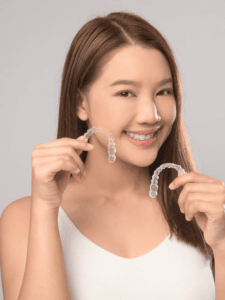
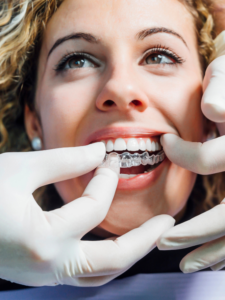
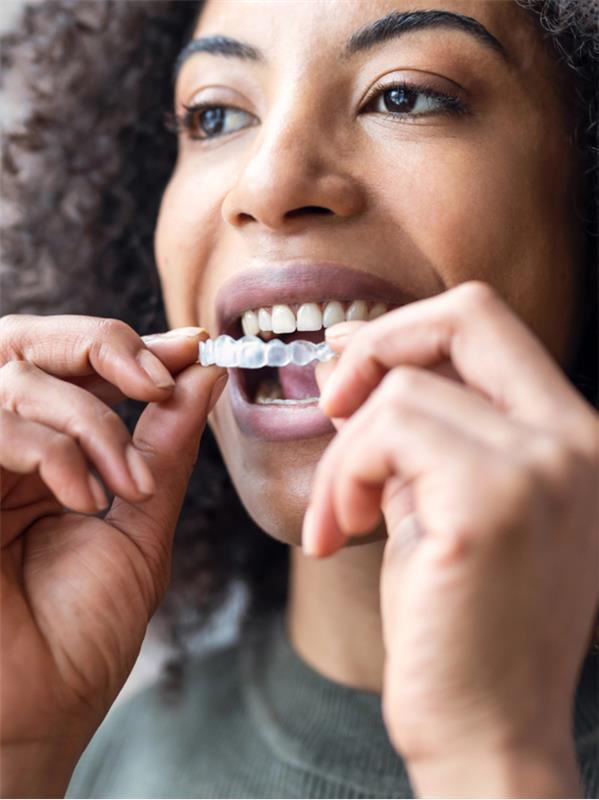
Your treatment consists of a series of custom trays made from a patented thermoplastic material. Each tray is molded to be slightly different from your current tooth position. When you snap the tray onto your teeth, it applies pressure to specific points. This pressure signals the bone around the tooth roots to remodel, allowing the teeth to shift.
Movement happens in tiny increments. You typically wear a set of trays for one to two weeks before moving to the next pair in the series. This step-by-step approach keeps the process manageable and minimizes the discomfort often associated with tightening traditional braces.
Also Read: How Invisalign Aligners Work With Restorative and Preventive Dentistry
Precision and Planning
The predictability of this treatment stems from digital mapping. Instead of messy putty molds, your dentist uses a handheld scanner to create a 3D model of your mouth.
- Treatment Mapping: Software calculates the exact path each tooth needs to take.
- Timeframes: Because the movements are mapped out, you get a reliable estimate of how long your treatment will last.
- Check-ups: You will visit the office periodically to verify that your teeth are following the digital plan.
Comfortable and Removable Treatment
One of the biggest draws for patients looking at orthodontics in Woodland Hills is the flexibility. Because the trays are removable, they don’t disrupt your daily rhythm.
- Easier Hygiene: You take the trays out to brush and floss. There are no brackets to navigate, which helps keep your gums healthy.
- No Food Restrictions: You can eat popcorn, apples, or crusty bread without worrying about breaking a wire.
- Smooth Surface: The medical-grade plastic is smooth, so it won’t poke your cheeks or lips.
Crooked or Misaligned Teeth
When people ask, “Does Invisalign for crooked teeth really work?” the answer is usually yes, especially for mild to moderate cases.
Mild to Moderate Crowding
Invisalign for crowded teeth is one of the most common applications. Crowding happens when there isn’t enough room in the jaw for all your teeth to fit naturally. They may overlap, bunch up, or twist sideways. By widening the arch slightly or moving teeth into open spots, aligners create a neat, aligned row.
Spacing Between Teeth
If you have gaps in your teeth, you might feel self-conscious about your smile. Beyond aesthetics, gaps can allow food to get stuck, leading to gum irritation. Invisalign for gaps between teeth works by bringing the teeth together systematically, closing those spaces, and protecting your oral health.
Improving Smile Symmetry
Sometimes teeth aren’t necessarily crowded, but they sit at uneven heights or angles. Aligners can pull a “long” tooth up or move a “short” tooth down to create a balanced, symmetrical look across the “smile zone.”
Also Read: Why You Should Choose Invisalign
Bite Problems Invisalign Can Correct
A common question is: What dental issues can Invisalign fix beyond just straightness? Surprisingly, it can address several bite misalignments.
Overbite
An overbite occurs when the upper front teeth overlap the lower front teeth too much. While some overlap is normal, an excessive overbite can cause wear on the lower teeth or even jaw pain. Can Invisalign fix an overbite? In many mild-to-moderate cases, yes. By using attachments, small, tooth-colored bumps, or elastics, the aligners can shift the bite into a healthier position.
Underbite
An underbite is when the lower teeth sit in front of the upper teeth. This can cause difficulty with chewing and speaking. While severe underbites might require surgery, Invisalign treatment for underbite can be successful for dental-based issues where the teeth just need to be tilted or moved back.
Crossbite and Open Bite
- Crossbite: This happens when some upper teeth sit inside the lower teeth when you close your mouth. This can cause tooth chipping. Aligners can often move the misplaced teeth into the correct track.
- Open Bite: If your upper and lower teeth don’t touch when your mouth is closed, it’s an open bite. This makes it hard to bite into certain foods. Aligners can help move the front teeth down to close that opening.
Dental Problems Invisalign Can Improve
Crowded Teeth
Invisalign is a versatile solution for more than just aesthetics; it actively addresses structural issues like crowded teeth. When teeth are pushed together or overlap, it creates tight spaces that are difficult to clean with standard brushing and flossing. By properly aligning your smile, Invisalign eliminates these trap zones, significantly reducing your risk of cavities and promoting long-term oral health.
Tooth Rotation
Sometimes a tooth is positioned correctly in the arch but is turned the wrong way. Aligners use specific pressure points to rotate the tooth back into its correct orientation.
Minor Tooth Movement Before Restorative Work
If you are planning to get veneers or crowns, your dentist might suggest a short course of aligners first. By moving the teeth into a better position beforehand, the final restorative work looks more natural and requires less removal of your natural tooth structure.
Relapse After Braces
Many adults had braces as teenagers but stopped wearing their retainers. Over time, their teeth shifted back. This is a very frequent reason people seek clear aligners for dental problems in Woodland Hills. Because the memory of the previous alignment often remains, these cases usually move quickly.
Situations That May Require Additional Treatment
While technology is impressive, it has limits. Some situations might require more than just clear trays.
- Severe Crowding: If the jaw is very narrow, a tooth might be completely blocked out. In these cases, a different orthodontic approach might be needed first.
- Complex Jaw Issues: If the bite problem is caused by the shape of the jawbone rather than the position of the teeth, aligners alone won’t solve it.
- Large Rotations: Teeth that are turned more than 20 degrees can sometimes be difficult for plastic trays to grip and turn without extra help.
How Dentists Determine Invisalign Candidacy
Before you begin your journey to a straighter smile, your dentist performs a comprehensive evaluation to ensure clear aligners are the right fit for your needs. This starts with a detailed dental examination and advanced digital scans to create a precise 3D map of your mouth. By performing a thorough bite analysis, your provider can determine exactly how your upper and lower teeth interact and identify the specific corrections needed.
Customized Treatment Planning
Once you are cleared for treatment, your dentist develops a roadmap tailored specifically to your anatomy. This includes:
- Individual tooth movement: Mapping the exact path each tooth must take.
- Realistic timelines: Providing a clear estimate of how many months your transformation will take.
- Predictable outcomes: Using software to show you a virtual preview of your final smile before you even start.
Patient Commitment
The success of Invisalign is a partnership. To achieve the best results, patient commitment is essential. This involves wearing aligners consistently, typically 22 hours a day, attending scheduled follow-up visits to monitor progress, and maintaining diligent oral hygiene to keep both your teeth and your aligners pristine.
Also Read: Is Invisalign for You?
The Benefits of Invisalign Treatment
Beyond just the physical movement of teeth, there are lifestyle perks that make this a favorite for adults and teens alike.
- Nearly Invisible Appearance: Most people won’t even notice you are wearing them. You can go to meetings, dates, or social events with total confidence.
- Comfortable Treatment Experience: There are no broken brackets or poking wires that require an emergency trip to the dental office.
- Flexible Lifestyle: Because you can brush and floss normally, your gum health usually stays better throughout treatment than it does with metal braces.
Conclusion
Invisalign can treat a much wider variety of issues than many patients realize. From closing stubborn gaps to correcting moderate bite misalignments, it provides a sophisticated way to reach your smile goals without the look of metal.
A personalized evaluation is the most reliable way to find out if your specific concerns, whether they involve crowding, spacing, or an overbite, can be resolved with this technology. With a clear plan and a little bit of discipline, you can achieve a healthy, aligned smile that lasts.
To determine if Invisalign is right for you, contact West Hills Smiles for a personalized evaluation.