Do you really need to visit the dentist twice a year?
Regular dental cleanings will polish your smile for a better appearance and build an absolutely essential foundation for preventing tooth decay, halting the progression of gum disease, and safeguarding your long-term dental health.
At West Hills Smiles, we believe in personalized prevention. While the six-month mark is a fantastic guideline, our focus is on creating a tailored cleaning schedule that truly reflects your specific needs, risk factors, and health goals.
This proactive approach helps you receive the most effective care to keep your smile healthy right here in West Hills. Read on to learn more.
The Standard Recommendation: Every Six Months
The American Dental Association (ADA) and most dental professionals recommend a standard schedule of twice-yearly cleanings. So, why is six months the magic number?
The six-month interval is ideal for catching minor issues before they escalate:
Even with diligent brushing and flossing, tiny bits of plaque harden into tartar in hard-to-reach areas. Only a professional cleaning can remove tartar. Six months is enough time for a significant amount of buildup to occur that needs removal, but not so long that it causes irreversible damage.
Dentists and hygienists can spot the earliest signs of gum inflammation (gingivitis), minor tooth decay, and structural issues like small cracks or failing fillings. Catching these problems at the earliest stage means a simple, inexpensive solution like a basic filling versus a complex procedure like a root canal later on.
Investing in consistent preventive care every six months is the most financially prudent choice for your long-term dental health. Skipping appointments can result in more costly procedures down the line.
Also Read: Why Visiting the Dentist Doesn’t Have to Be Scary Anymore?
Factors That Can Affect How Often You Need a Cleaning
The twice-yearly recommendation is a baseline. For many patients, the ideal frequency may be shorter or, rarely, slightly longer. We tailor our recommendations based on several specific factors:
Your Oral Health History
If you are an individual with consistently healthy gums, no history of periodontitis, and little or no recurring decay, the standard twice-yearly schedule is likely perfect for maintaining your excellent oral health.
Gum Disease or Periodontal Issues
Patients diagnosed with gingivitis or periodontitis require more intensive intervention. For these patients, we often recommend periodontal gum care maintenance every 3 to 4 months. This stricter schedule is necessary to control the harmful bacteria, manage inflammation, and prevent further bone and tissue loss.
Orthodontic Patients
Whether you wear traditional braces, fixed retainers, or clear aligners, your teeth have more crevices and obstacles that trap food particles and plaque. To prevent staining and decay around brackets and wires, orthodontic patients may benefit from more frequent professional cleanings.
Smokers and Tobacco Users
Tobacco use significantly increases the risk for gum recession, deep staining, dry mouth, and chronic infection. Because of the compromised immune response and increased risk of oral cancer, tobacco users often require more frequent and targeted cleanings.
Medical Conditions and Medications
Certain systemic health issues, such as diabetes, can impair the body’s ability to fight infection, accelerating the progression of gum disease. Likewise, many common medications can cause dry mouth, which increases the risk of decay by reducing saliva. If you have a chronic medical condition or take regular medications, we may recommend closer monitoring.
Age and Hormonal Changes
Life stages bring hormonal shifts that affect gum health. Teens, pregnant women, and older adults (who may have higher rates of recession or compromised dexterity for home care) may need closer monitoring and tailored cleaning schedules.
What Happens During a Professional Dental Cleaning
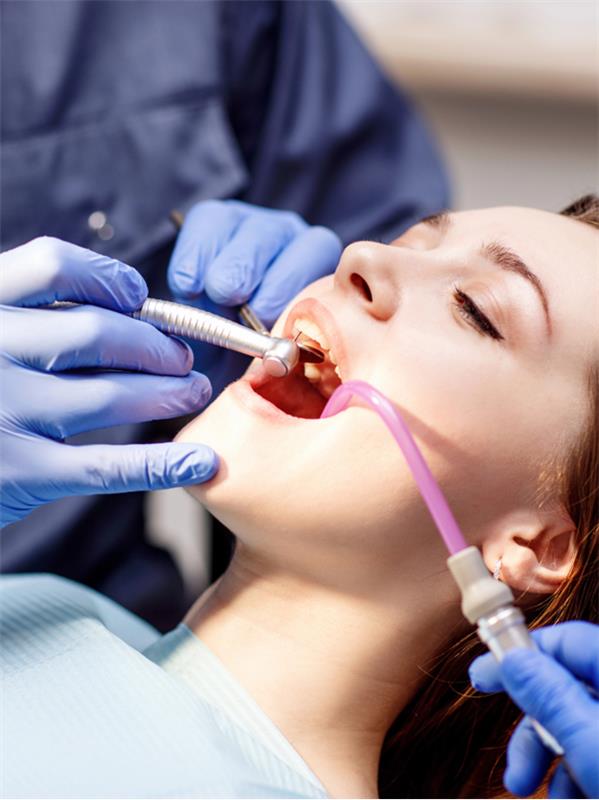
- Comprehensive Examination: The visit starts with a thorough check by your dentist. We look for signs of decay, gum recession, oral cancer, and existing filling integrity. Digital X-rays may be taken annually to examine the inside of the teeth and assess bone levels.
- Plaque and Tartar Removal: Our skilled hygienists use specialized tools, often including modern ultrasonic tools, to gently loosen and remove hardened tartar from above and below the gum line. This step is impossible to replicate at home.
- Polishing: Your teeth are polished using a high-powered brush and gritty toothpaste. This removes surface stains and leaves the enamel surface smooth, making it harder for plaque to stick immediately afterward.
- Flossing and Rinsing: A professional flossing removes all debris, followed by a thorough rinse.
- Fluoride Treatment (if needed): A topical fluoride application helps strengthen your tooth enamel and guard against decay, offering an extra layer of protection, particularly for children or those prone to cavities.
- Personalized Home Care: We conclude with tips tailored to your needs, such as recommending a specific toothbrush, toothpaste, or flossing technique.
Also Read: A Deeper Clean: Unveiling the Secrets of Deep Dental Cleanings
Why Skipping Cleanings Can Lead to Bigger Problems
The biggest mistake a patient can make is waiting until they feel pain to schedule a visit, and skipping appointments allows the hidden plaque and tartar buildup to push against the gums, creating pockets where bacteria thrive. This leads to gingivitis and eventually periodontitis.
Untreated decay progresses from a small, inexpensive cavity to a deep infection that requires more costly, complex treatments like root canals, crowns, or even extractions.
Finally, a growing body of research confirms the direct link between poor oral health and systemic conditions like heart disease, stroke, and poorly controlled diabetes. Taking care of your mouth is taking care of your entire body.
How to Maintain Oral Health Between Visits
While professional cleanings are non-negotiable, what you do at home is just as important to maintain your dental health:
- Brush Twice Daily: Use a fluoride toothpaste and a soft-bristle brush for a full two minutes each time.
- Floss Daily: This removes plaque from between your teeth and under the gumline, areas your brush cannot reach. Consider adding a water flosser for enhanced effectiveness.
- Limit Sugars and Acids: Reduce consumption of sugary snacks, sodas, and acidic drinks, which erode enamel.
- Replace Your Brush: Change your toothbrush or brush head every 3 months or sooner if the bristles are frayed.
- Don’t Postpone Checkups: Keep your pre-scheduled appointments even if your teeth feel perfectly fine.
Also Read: Oral Hygiene Routine for Perfect White Teeth
When to Schedule Your Next Dental Cleaning
The best time to book your next appointment is before you leave your current one. Pre-scheduling ensures you maintain the consistency needed for optimal health.
Signs it’s definitely time to book:
- Your gums bleed easily when you brush or floss.
- You notice a fuzzy coating or visible buildup on your teeth.
- You experience persistent bad breath that isn’t solved by brushing.
- You are past your recommended 3, 4, or 6-month interval.
Schedule Your Next Dental Cleaning at West Hills Smiles
Dental cleanings are fundamentally preventive, not optional. They are your shield against decay and the critical control mechanism for gum disease. For our West Hills neighbors, partnering with a practice that tailors your cleaning frequency to your specific needs is the key to a lifetime of healthy, beautiful smiles.
Don’t delay your defense against decay and disease! Request an appointment at West Hills Smiles today to schedule your personalized dental cleaning and checkup.