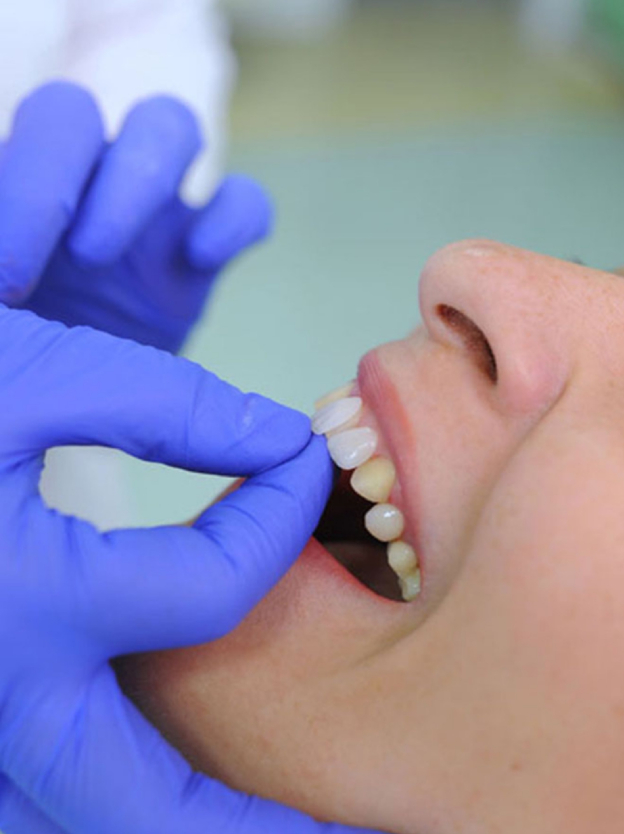
Do you or a loved one dream of a brighter, straighter smile but hesitate when you think about dental veneers? A widespread fear is that veneers will “ruin” your natural teeth, so understandably, many of our new patients wonder if veneers will irreparably damage their real smile.
What happens to your natural teeth under veneers? Are natural teeth healthy under veneers? At West Hills Smiles, we believe in transparent cosmetic dentistry that puts patient education first. In a nutshell, modern porcelain veneers are designed to enhance, not destroy, your smile while preserving as much healthy tooth structure as possible.
Tooth veneers, also called cosmetic veneers, are ultra-thin shells bonded to the front surface of teeth. When performed by an experienced cosmetic dentist, the veneer procedure is conservative and highly predictable. This article explores exactly what happens during preparation, how your natural teeth fare underneath, and how to maintain long-term oral health after veneer treatment. Here’s what you need to know:
Also Read: Porcelain vs. Composite: Which Veneers Are Best?
Why Teeth Need to Be Prepared for Veneers
The veneer procedure begins with gentle tooth preparation. Many patients ask if dentists shave your teeth for veneers and how much tooth enamel actually gets removed. The answer depends on each individual’s anatomy and goals, but the guiding principle is always minimal removal.
Dentists typically remove a thin layer of enamel, usually 0.3 to 0.7 millimeters, from the front surface. This creates space so the porcelain veneers sit flush with surrounding teeth rather than looking bulky or protruding. Without preparation, veneers could feel thick, interfere with bite alignment, or fail to bond securely.
Enamel is the hardest substance in the body, but it does not regenerate. Removing a small amount of it is what makes veneers a permanent treatment. Once enamel is gone from the front, the tooth will always need some form of coverage in the future, either the same veneers or replacements down the road.
However, because only the front is prepared and the majority of the tooth (including all internal structures) remains untouched, the procedure is far more conservative than crowns, which require significantly more reduction all around the tooth.
At West Hills Smiles, every veneer treatment is customized. Digital scans, photos, and diagnostic wax-ups allow us to preview results and minimize enamel removal. Some patients with minor misalignments or sufficient space may need almost no preparation (no-prep or minimal-prep veneers), while others benefit from slightly more reduction for optimal aesthetics and strength.
What Happens to the Tooth Under the Veneer?
So, what happens to your natural teeth under veneers? In most cases, the tooth remains vital and fully functional after veneer placement. Only the front, facial surface is covered. The back of the tooth, biting edges, and roots stay completely untouched. Nerves and blood supply continue operating normally, which is why most patients experience little to no sensitivity after the initial adjustment period.
The porcelain veneer acts like a protective shield over the prepared enamel. This high-quality ceramic material is biocompatible, stain-resistant, and mimics the light-reflecting properties of natural teeth. When bonded properly with modern adhesives, the veneer and tooth function as one strong unit.
Because preparation is limited to the outer layer, the structural integrity of the tooth is largely preserved. This is very different from older techniques or poorly executed cases where excessive reduction caused problems. Thankfully, today’s cosmetic dentistry prioritizes biomimetic principles, aka respecting and working with the biology of the tooth rather than against it.
Do Veneers Damage Natural Teeth?
The straightforward answer is: No, veneers do not inherently damage healthy teeth when properly planned and placed by a skilled cosmetic dentist. When bonded properly, veneers cover the prepared facial surface and may help protect that portion of the tooth from everyday wear. That said, certain factors can lead to complications, such as:
- Poor oral hygiene: Plaque buildup at the margins where the veneer meets the tooth can cause decay in the remaining natural teeth.
- Teeth grinding (bruxism): Excessive forces can chip veneers or stress the underlying tooth structure.
- Improper bite alignment: If the bite is not adjusted correctly, uneven pressure can lead to fractures.
- Trauma or injury: Any tooth can be damaged by impact, veneer or not.
Choosing an experienced provider for dental veneers in West Hills can dramatically reduce these risks. At West Hills Smiles, we perform thorough evaluations, address gum health, bite issues, and any decay before beginning the veneer procedure.
Also Read: Benefits Of Dental Veneers
Can Teeth Decay Under Veneers?
First off, porcelain itself cannot decay, as it is glass-like and highly resistant to bacteria. However, the natural tooth structure around and beneath the margins of the veneer remains vulnerable.
If bacteria find their way under a poorly sealed veneer or if patients neglect flossing along the gumline, decay can develop on the remaining dentin or enamel edges. This is why excellent home care and regular professional maintenance are non-negotiable.
Routine dental visits allow your dentist to check margins, take X-rays when needed, and catch any issues early. With proper oral hygiene, regular professional care, and well-sealed restorations, the risk of decay around veneers is generally low.
Are Natural Teeth Healthy Under Veneers?
Yes, natural teeth remain healthy underneath porcelain veneers when the procedure is done correctly and patients maintain good habits. The underlying tooth continues to receive nutrients through the pulp, and many patients enjoy decades of healthy function with their veneers.
Long-term studies and clinical experience show that well-placed cosmetic veneers have excellent success rates. The key is conservative preparation, high-quality materials, precise bonding, and diligent aftercare.
How to Keep Teeth Healthy With Veneers
- Daily Oral Hygiene: Brush twice daily with a non-abrasive toothpaste, floss carefully around veneer margins, and consider a water flosser for hard-to-reach areas.
- Professional Cleanings: Visit your cosmetic dentist every six months, or more frequently if recommended, for thorough cleanings and examinations.
- Nightguard: If you grind your teeth, a custom nightguard protects both veneers and natural teeth.
- Diet and Habits: Limit sugary and acidic foods/drinks. Avoid using teeth as tools to open packages or bite hard objects like ice or nuts.
- Avoid Staining Agents: While porcelain resists staining, the margins and adjacent teeth benefit from moderation with coffee, red wine, and tobacco.
Are Veneers the Right Choice for You?
Porcelain veneers are typically an ideal solution for patients with:
- Chipped, worn, or fractured teeth
- Stubborn discoloration unresponsive to whitening
- Small gaps or minor crowding
- Slightly misshapen or uneven teeth
- Desire for a dramatic yet natural-looking smile makeover
That said, patients with significant bite issues, active gum disease, large cavities, or severe grinding might need other treatments first. A comprehensive consultation with a cosmetic dentist for veneers in West Hills is what will ultimately determine the best path for you.
Also Read: The Pros and Cons of Porcelain Veneers
Beautiful Dental Veneers in West Hills
What happens to your natural teeth under veneers? They stay alive, functional, and protected when treatment is performed conservatively. Modern veneer treatment does not “ruin” healthy teeth at all. By removing only a minimal amount of enamel, creating excellent bonds, and using durable porcelain, dental veneers patients can enjoy stunning smiles for 10–20 years or longer with proper care.
At West Hills Smiles, we focus on preserving your natural teeth while delivering the confident smile you deserve. Our cosmetic dentistry approach combines artistry, science, and compassion to ensure every veneer procedure respects your oral health.
Ready to transform your smile? Schedule a cosmetic consultation with West Hills Smiles today. Discover whether porcelain veneers are the right solution for your smile goals and get personalized answers to all your questions about the veneer procedure and long-term tooth health.