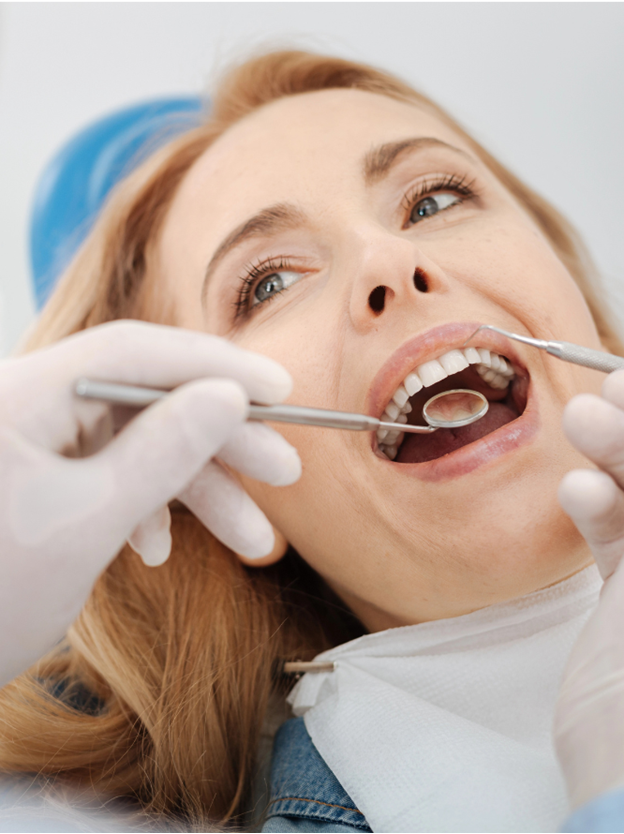
Most major dental procedures don’t begin with a dental emergency. They often start with a small cavity that didn’t hurt yet, mild gum inflammation that went unnoticed, or a worn filling that seemed perfectly fine. By the time pain develops, treatment is frequently more involved and more expensive than it would have been during a routine dental visit.
Preventive dentistry focuses on identifying these problems early, before they require extensive treatment. Through regular exams, professional cleanings, and preventive screenings, your dentist can detect changes that are easy to miss but important to address.
At West Hills Smiles, preventive dentistry helps patients maintain healthier smiles while reducing the likelihood of unexpected dental problems and more complex restorative procedures.
How Small Problems Become Expensive Without Preventive Care
Many dental conditions develop gradually. Without regular evaluations, they often progress quietly until they begin causing pain, infection, or damage that requires more extensive treatment.
Untreated Cavities
A cavity rarely becomes serious overnight. It usually begins as a small area of decay that can often be treated with a simple filling. If it continues to grow, however, it may eventually reach the tooth’s pulp, requiring root canal therapy and a dental crown to save the tooth.
Finding cavities early helps preserve more natural tooth structure while avoiding more complex and costly procedures.
Gum Disease Progression
Bleeding gums are easy to dismiss, especially if they don’t hurt. However, they are often one of the earliest signs of gingivitis. At this stage, gum disease can frequently be reversed with professional cleanings and improved home care.
Without treatment, gingivitis may progress to periodontitis, which damages the bone and tissues supporting the teeth. Advanced treatment can involve scaling and root planing, periodontal procedures, or tooth replacement if tooth loss occurs.
Worn or Damaged Teeth
Many patients grind or clench their teeth without realizing it, particularly while sleeping. Over time, this constant pressure can wear down enamel, crack teeth, loosen restorations, and place excessive stress on the jaw.
Routine dental exams often reveal these changes before significant damage occurs, allowing your dentist to recommend solutions such as a custom night guard before extensive restorative treatment becomes necessary.
Also Read: Why Good Dental Health Is Important
What Preventive Dentistry Includes
Preventive care involves much more than having your teeth cleaned. Each appointment provides an opportunity to monitor changes in your oral health, identify developing problems, and keep your smile healthy over time.
Routine Dental Exams
Every preventive visit includes a comprehensive evaluation of your teeth, gums, bite, jaw, and oral tissues. Your dentist looks for cavities, early signs of gum disease, cracked teeth, failing restorations, bite changes, and other concerns that may not yet be causing symptoms.
Digital X-rays and intraoral cameras provide detailed views of areas that cannot be seen during a visual examination alone. These tools help detect hidden problems between teeth and below the gumline, allowing treatment to begin before more extensive damage develops.
Professional Teeth Cleanings
Daily brushing and flossing remove much of the plaque that accumulates on teeth, but hardened tartar cannot be removed at home. Professional cleanings eliminate these deposits while reducing the bacteria that contribute to tooth decay and gum disease.
Most patients benefit from cleanings every six months, although some may require more frequent visits depending on their oral health needs.
Preventive Screenings
Some dental conditions develop quietly. Oral cancer, bite changes, worn restorations, and early gum disease may all progress without obvious symptoms.
Preventive screenings help identify these issues early, allowing your dentist to monitor changes over time and recommend treatment before they become more significant.
Also Read: Why Routine Teeth Inspection Is Important
Why Prevention Usually Costs Less Than Treatment
Preventive care is generally one of the most cost-effective ways to maintain long-term oral health.
Catching Problems Earlier
Treating a small cavity is typically far less expensive than treating advanced decay that requires root canal therapy and a crown. The same principle applies to many other dental conditions. Earlier treatment is often simpler, less invasive, and more affordable.
Avoiding Unexpected Dental Emergencies
Dental emergencies rarely happen at convenient times. Severe toothaches, broken teeth, infections, and abscesses can require urgent treatment and unplanned expenses.
Patients who maintain regular preventive care often experience fewer unexpected dental problems because many issues are identified before they become emergencies.
Making Better Use of Dental Insurance
Many dental insurance plans provide excellent coverage for preventive services, including routine exams and cleanings. Scheduling regular visits allows patients to take advantage of benefits they are already paying for while reducing the likelihood of needing more extensive treatment later.
Daily Habits That Support Preventive Dental Care
Regular dental visits work best when combined with consistent home care.
Brush and Floss Every Day
Brushing twice daily with fluoride toothpaste and flossing once a day removes plaque before it can contribute to cavities and gum disease. These habits remain the foundation of good oral health.
Choose Foods That Support Healthy Teeth
Frequent sugary snacks and acidic beverages increase the risk of enamel erosion and tooth decay. Drinking water, limiting added sugars, and eating nutrient-rich foods can help protect both teeth and gums.
Follow Your Dentist’s Recommendations
If your dentist recommends a night guard, fluoride treatment, or follow-up visit, addressing the issue early often prevents more extensive treatment later. Small recommendations today can help avoid much larger problems in the future.
Also Read: How Often Should You Really Visit the Dentist for a Cleaning in West Hills?
Preventive Dentistry for the Whole Family at West Hills Smiles
Preventive dental care is about staying ahead of problems instead of reacting to them after they become painful or expensive. Routine exams, professional cleanings, and preventive screenings help identify concerns while they’re still easier to treat, preserving your natural teeth and supporting long-term oral health.
Whether it’s been six months or several years since your last dental visit, preventive care remains one of the most effective ways to reduce the risk of more extensive treatment in the future.
If you’re due for your next dental checkup, schedule a preventive exam and professional cleaning at West Hills Smiles. Our team is here to help you maintain a healthy smile through personalized preventive care for every stage of life.
Frequently Asked Questions
What is preventive dentistry?
Preventive dentistry is an approach to oral health that focuses on preventing dental problems through routine exams, professional cleanings, screenings, and patient education.
How does preventive dentistry help avoid costly dental work?
By identifying issues such as cavities and gum disease early, preventive dentistry often allows treatment before problems require more extensive procedures like root canals, crowns, or tooth replacement.
Why is preventive dentistry important?
Preventive care helps preserve natural teeth, supports healthy gums, reduces the risk of dental emergencies, and encourages long-term oral health.
How often should you visit the dentist for preventive care?
Most patients benefit from preventive visits every six months, although some may need more frequent appointments based on their individual oral health needs.
Can preventive dentistry save you money?
In many cases, yes. Routine preventive care often helps patients avoid more extensive and costly treatment by identifying problems before they become more advanced.